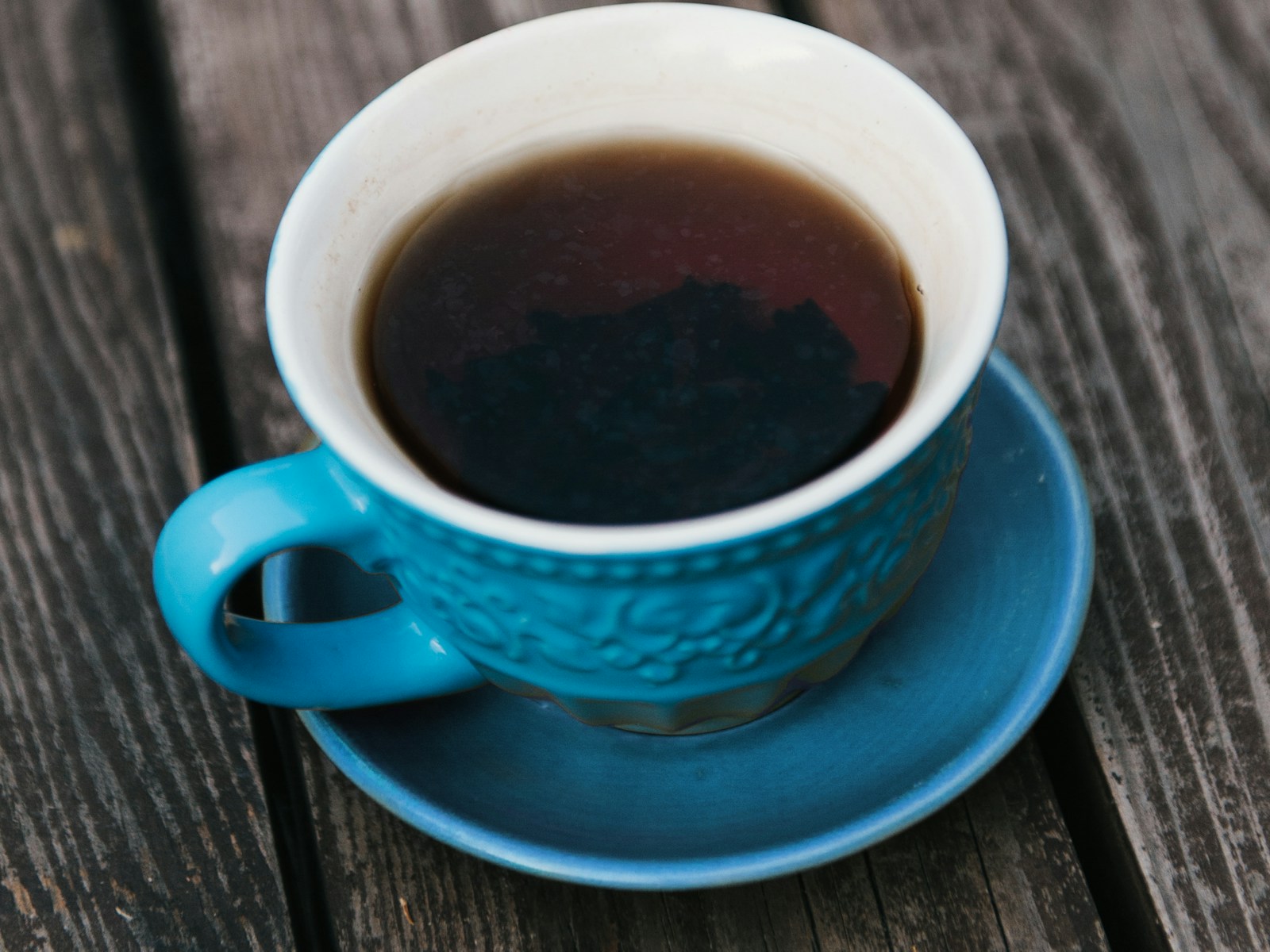
Millions of people start their day with a cup of coffee. But this everyday drink may do more than help us wake up.
Research has linked regular coffee consumption with better liver-health outcomes, less liver scarring and lower rates of some serious liver diseases. Similar favourable associations have also been observed among people who choose decaffeinated coffee.
There is an important qualification: the amount you drink and how you prepare it matter. A favourable statistical association does not prove that coffee itself can prevent or treat liver disease.
Why might coffee be beneficial for the liver?
The liver plays a central role in metabolism. It processes nutrients, produces bile and helps the body handle and eliminate a wide range of substances.
Coffee contains hundreds of biologically active compounds, including caffeine, chlorogenic acids and the diterpenes cafestol and kahweol. Laboratory and animal research has found antioxidant and anti-inflammatory activity in some of these compounds. Such findings help researchers explore possible mechanisms, but they do not establish a treatment effect in people.
In human observational studies, regular coffee drinking has been associated with:
- A lower likelihood of significant liver fibrosis, or scarring.
- A lower risk of cirrhosis.
- A lower risk of hepatocellular carcinoma, the most common primary liver cancer.
- Lower mortality from chronic liver disease.
Most of this evidence comes from observational research. It can identify patterns, but cannot establish that coffee itself prevents these conditions. Coffee drinkers and non-drinkers may differ in other ways that influence their health.
Coffee and fatty liver disease
One common liver condition is metabolic dysfunction-associated steatotic liver disease, or MASLD. The older term used in many studies is non-alcoholic fatty liver disease, or NAFLD; the diagnostic definitions are not completely identical.
In this condition, excess fat accumulates in the liver. In some people, inflammation and scarring develop, and the disease can eventually progress to cirrhosis.
A 2021 systematic review and meta-analysis did not find a clear association between coffee consumption and a lower incidence of fatty liver disease. But it did identify another pattern: among people with NAFLD, coffee consumption was associated with approximately 35% lower likelihood of significant liver fibrosis.
That figure is a relative comparison across the included observational studies, not a guaranteed benefit for someone who starts drinking coffee. It also does not demonstrate that coffee reverses existing scars or slows progression over time.
The distinction matters. Developing fat accumulation and developing significant scarring are different outcomes. Further research is needed to establish whether changing coffee intake alters the course of the disease.
What do studies show about chronic liver disease?
Cirrhosis develops when longstanding injury leads to extensive scarring and changes in the liver’s structure. Causes include viral hepatitis, alcohol-related liver injury and advanced fatty liver disease.
A large UK Biobank study published in 2021 examined 494,585 people over a median follow-up of 10.7 years. Its outcomes concerned chronic liver disease more broadly, rather than cirrhosis alone.
Compared with non-drinkers, coffee drinkers had:
- A 21% lower adjusted hazard of developing chronic liver disease.
- A 49% lower adjusted hazard of dying from chronic liver disease.
Similar associations appeared for ground, instant and decaffeinated coffee. This suggests that caffeine may not be the only component worth investigating.
These percentages describe relative differences between study groups over follow-up. They are not percentage-point reductions in absolute risk, and they do not mean that starting coffee will cut an individual’s risk of death by 49%. Statistical adjustment cannot remove every possible difference between the groups.
Coffee and liver cancer risk
Researchers have also examined hepatocellular carcinoma, or HCC, the most common type of primary liver cancer.
A 2017 systematic review and dose–response meta-analysis included studies involving more than two million people. An additional two cups of coffee a day was statistically associated with approximately 35% lower relative risk of HCC.
However, the authors rated the quality of the evidence as very low. Limitations included the absence of randomised trials, possible publication bias and inconsistent definitions of coffee consumption.
Coffee should therefore not be regarded as a reliable way to prevent liver cancer. The findings give researchers a reason to keep investigating coffee’s components and possible biological effects, rather than a reason to promise protection.
How much coffee is appropriate?
Favourable associations with liver health have often been observed at around three or four cups a day. The American Association for the Study of Liver Diseases’ 2023 practice guidance notes that at least three daily cups, caffeinated or not, are associated with less advanced liver disease. It discusses this in the context of fatty liver care and the absence of contraindications.
This does not make three cups a universal prescription. A small cup and a large café drink are not interchangeable, and studies do not all define a cup in the same way.
The European Food Safety Authority states that up to 400 mg of caffeine spread throughout the day generally raises no safety concerns for healthy, non-pregnant adults. This is a safety reference, not a daily target or a recommendation to increase intake.
Caffeine content varies with serving size, beans and preparation. Count other sources, too, including tea, cola, energy drinks and chocolate. Individual sensitivity varies: even smaller amounts can disturb sleep or cause anxiety or palpitations in some people.
More coffee does not automatically mean better health.
Filtered or unfiltered: does it make a difference?
Yes. Coffee’s natural oils contain cafestol and kahweol. Although these compounds are being studied for possible liver-related effects, cafestol in particular can raise LDL cholesterol, often called “bad” cholesterol.
Unfiltered preparations, such as French press or boiled coffee, generally contain more of these compounds. Brewing through a paper filter greatly reduces the amount that reaches the cup; a metal mesh is not equivalent to a paper filter.
For someone with elevated cholesterol, paper-filtered coffee may be a more suitable everyday choice. This is a useful reminder that the same food or drink can affect different health measures in different ways. A proposed benefit for one organ does not make every preparation equally suitable.
When should you be more cautious?
Moderate coffee intake is compatible with a healthy lifestyle for many adults, but tolerance and medical circumstances matter. Consider individual advice if you have:
- Palpitations or a heart rhythm condition for which your clinician has advised caffeine limits.
- Uncontrolled high blood pressure.
- Sleep problems.
- Anxiety that caffeine worsens.
- Acid reflux that is triggered or aggravated by coffee.
These are reasons to assess your own response, not a statement that everyone with a heart rhythm condition must avoid coffee. Caffeine can also interact with some medicines. A clinician or pharmacist can help you work out an appropriate amount if you take regular medication.
During pregnancy and breastfeeding, EFSA identifies up to 200 mg of caffeine a day from all sources as an intake that generally raises no safety concerns for the fetus or breastfed infant. Personal advice may call for less.
What you add to coffee matters as well. Large quantities of sugar, cream or syrup can substantially increase a drink’s energy content. Regularly consuming calorie-rich coffee drinks can contribute to excess energy intake and weight gain. Research on coffee does not automatically make a sweetened coffee dessert a healthy choice.
Should you start drinking coffee if you do not already?
You do not need to start drinking coffee solely for your liver. The evidence is encouraging, but coffee is not an essential part of a healthy diet.
Maintaining an appropriate weight, staying active, eating a balanced diet, limiting alcohol and diagnosing and treating liver disease remain central to liver care. Coffee does not cancel out alcohol-related harm or replace prescribed treatment.
If you have a diagnosed liver condition, discuss coffee as part of your overall care plan. If you already drink it and tolerate it well, its caffeine content alone is not a reason to abandon the habit. The appropriate amount depends on the person.
What to remember
Coffee may be more than a pleasant morning ritual. Studies have linked regular consumption with lower rates of liver scarring, cirrhosis and liver cancer, as well as better outcomes related to chronic liver disease. Decaffeinated coffee has also shown favourable associations.
These patterns are promising, but they are not a guarantee of protection. If you enjoy coffee and tolerate it, it can fit into a healthy lifestyle. If you do not drink it, there is no need to force yourself.
The goal is to look after your health as a whole, not to drink as much coffee as possible.
Read the sources
- Ebadi et al. · Coffee consumption, NAFLD and significant liver fibrosis · Nutrients, 2021
- Kennedy et al. · All coffee types decrease the risk of adverse clinical outcomes in chronic liver disease: a UK Biobank study · BMC Public Health, 2021
- Kennedy et al. · Coffee, including caffeinated and decaffeinated coffee, and the risk of hepatocellular carcinoma · BMJ Open, 2017
- Rinella et al. · AASLD Practice Guidance on the clinical assessment and management of nonalcoholic fatty liver disease · Hepatology, 2023
- EFSA · Scientific Opinion on the Safety of Caffeine · 2015
- Coffee and Cardiovascular Health: A Review of Literature · 2024
- Rendón et al. · Physical characteristics of the paper filter and low cafestol content filter coffee brews · Food Chemistry, 2018
This article explains selected evidence. It is not a systematic review or individual medical advice.