When we think about immune health, vitamins, garlic and pharmacy shelves often come to mind. Yet our body’s defenses are also at work while we are working, worrying, caring for loved ones or taking a walk. The immune system is closely connected to the nervous and hormonal systems, so the way we live and the pressures we experience matter too.
This does not mean every illness is caused by stress. However, prolonged strain and social relationships are important enough for researchers to study alongside nutrition and physical activity.
When the pressure does not ease
Brief anxiety before an important meeting is different from tension that lasts for months. Persistent money worries, conflict or demanding caregiving responsibilities can become a constant part of everyday life.
During stress, the body uses nerve and hormone signals to adapt to the situation. Cortisol is part of this response: among its other roles, it helps regulate inflammation. Under prolonged stress, immune cells can become less sensitive to these signals, making inflammation harder to regulate effectively.
In studies in which healthy volunteers were exposed to cold viruses, prolonged stress was associated with a greater likelihood of developing a cold. The connection is therefore more than the feeling that we become more vulnerable to illness during difficult periods. Researchers have also identified a biological explanation, although it cannot predict which individual will become ill.
People who care for others need support too
Researchers have paid particular attention to people who provide long-term care for a seriously ill loved one. In these circumstances, responsibilities often continue through evenings and weekends.
One study found that older adults caring for a spouse with dementia had a weaker antibody response to influenza vaccination than a comparison group. This does not mean vaccination is unhelpful for caregivers. The finding highlights the relationship between sustained strain and the body’s response.
Practical help can be very specific: someone takes over part of the workload, brings groceries or makes it possible for the caregiver to leave the house and rest. “How are you doing?” is a worthwhile question even when the family’s attention is focused mainly on the person who is ill.
Relationships are more than a marital status
The claim that married people have better immunity sounds striking, but marital status alone tells us little about someone’s daily life. It does not reveal whether a relationship offers security and support or involves ongoing conflict.
In a study of 276 healthy adults, people with more diverse social ties—with friends, family, colleagues and other community groups—were less likely to develop a cold after exposure to a rhinovirus. This was an observed association, not proof that increasing the number of people you know will itself protect you from infection.
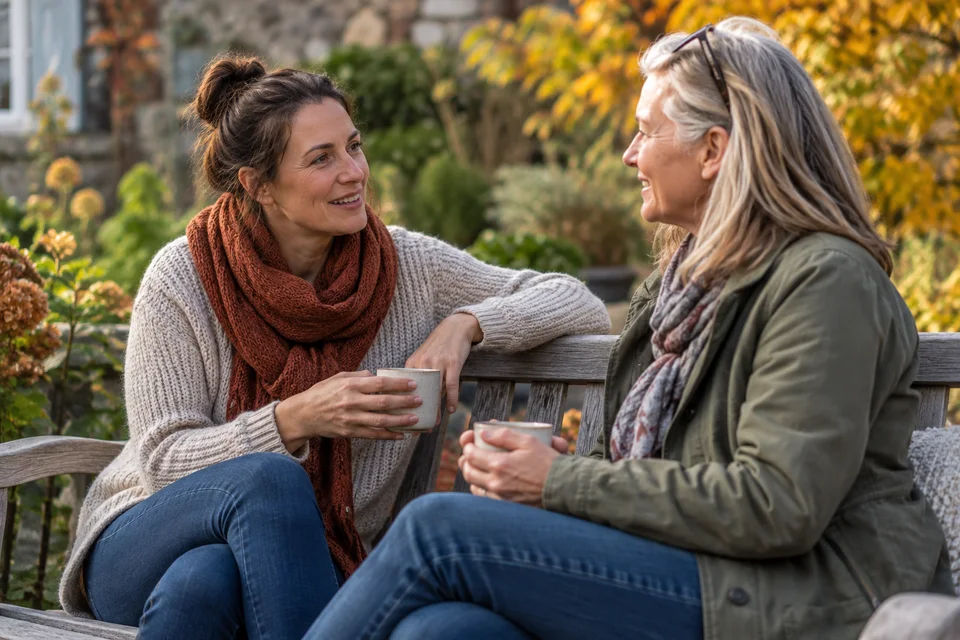
Nor is the study an instruction to become more outgoing against your wishes. Connections take many forms: a conversation with a close friend, a shared activity or keeping in touch with family. Someone who enjoys time alone has no reason to regard their personality as a health defect.
Does optimism help?
Studies have linked a more positive emotional style with a lower likelihood of illness following experimental exposure to cold viruses. That does not establish that positive thinking is enough to keep someone from getting sick.
A person experiencing depression, anxiety or serious distress is not to blame for becoming ill. Being told to stay cheerful can add another burden. A more useful message from this research is that emotional well-being is part of health and deserves attention and support.
Movement as part of everyday life
Physical activity is another way to care for health beyond the supplement shelf. A research review found that regular physical activity was associated with a lower risk of community-acquired infections and favorable changes in certain measures of immune function. However, the varied studies do not justify promising that a particular exercise will protect against a particular virus.
A practical starting point might be walking, cycling, swimming or another activity you enjoy. The World Health Organization recommends at least 150–300 minutes of moderate-intensity aerobic activity per week for adults. This is general health guidance, not a special “dose” for immunity. If that amount feels far away, a little movement is still a valuable start.
Caring for yourself can begin with a concrete question: what is most missing from my daily life right now—movement, a break or someone to talk to? The answer can help you choose one manageable step today.
Adapted into English by VitalMeGuide with AI assistance from material supplied by Rimants Pocjus and attributed by him to physician Inga Grīnberga. This adaptation includes factual clarifications and has not been confirmed as reviewed by the original author.
Read the sources
- Cohen et al. · Chronic stress, glucocorticoid receptor resistance, inflammation, and disease risk · PNAS · 2012
- Kiecolt-Glaser et al. · Chronic stress alters the immune response to influenza virus vaccine in older adults · PNAS · 1996
- Cohen et al. · Social ties and susceptibility to the common cold · JAMA · 1997
- Cohen et al. · Emotional style and susceptibility to the common cold · Psychosomatic Medicine · 2003
- Chastin et al. · Physical activity, immune function and infectious disease · Systematic review and meta-analysis · Sports Medicine · 2021
- World Health Organization · Guidelines on physical activity and sedentary behaviour · 2020
This article explains selected evidence. It is not a systematic review or individual medical advice.