When coughs and sneezes become more noticeable in autumn, we tend to think about our immune system more than we do in summer. Will our body be able to fight off an infection? Should we buy vitamins, garlic capsules or another product with “immune support” on the label?
Before choosing a supplement, it helps to understand how the body protects itself and what nutrition can contribute.
A cold does not necessarily mean poor immunity
The immune system consists of cells, tissues and molecules that work together to protect the body against disease-causing organisms. But it is not an impenetrable shield. People with normally functioning immune systems still get sick sometimes.
A few colds a year are not unusual for adults. Children encounter infections more often, particularly when they start attending childcare.
Frequency is only part of the picture. Severity, complications and recovery matter too. Recurrent infections that are unusually severe, or a prolonged difficulty recovering, deserve medical assessment. Repeated pneumonia, for example, is a reason to investigate the cause rather than simply buy another multivitamin.
How the body protects itself
The body's defenses include innate and adaptive immunity.
The skin and mucous membranes provide an initial barrier. Tears, saliva and other secretions help limit the entry and growth of microorganisms. Tears and saliva, for example, contain lysozyme, an enzyme that helps defend against certain bacteria.
Innate immunity also includes immune cells that respond quickly to threats. Inflammation is part of this response: redness, swelling and a rise in temperature may occur.
Adaptive immunity can recognize specific pathogens. B and T lymphocytes participate in this defense. Activated B cells can become antibody-producing cells, while T cells help coordinate the response and destroy infected cells.
Some of these cells retain a memory of the pathogen, enabling a faster response during a later encounter. Vaccination also uses this ability. The two parts of the immune system work closely together.
What does nutrition have to do with immunity?
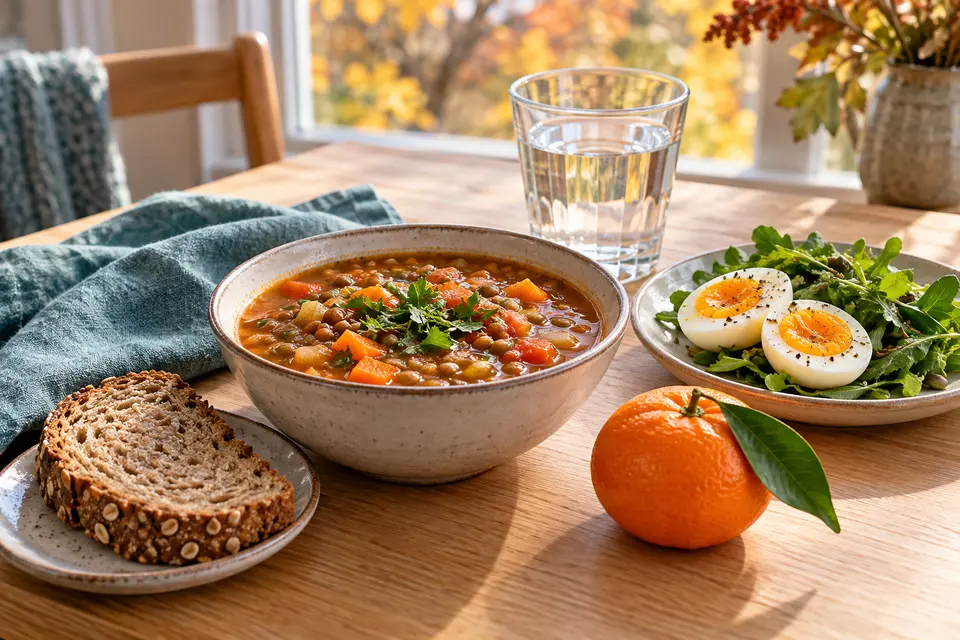
The immune system needs energy and building materials, so supporting it starts with everyday meals.
Protein is particularly important. Many molecules involved in the body's defenses, including antibodies, are proteins. Dietary sources include eggs, fish, meat, dairy products, beans, lentils and other legumes.
Vegetables, fruit, whole grains and other foods belong alongside them in a varied diet. The aim is to provide what the body needs consistently, rather than to find one special “immunity food.”
Vitamins and minerals, including vitamins A, C and D, zinc and selenium, also contribute to normal immune function. Deficiencies in certain nutrients can impair the body's defenses. However, when someone already gets enough, extra micronutrients generally do little to prevent or treat specific infections.
What do “immune support” products offer?
Products come as capsules, tablets, drops, sprays and syrups. Some contain one ingredient; others have a long list.
Doses, chemical forms and tolerability vary. A product may cause nausea, heartburn or other uncomfortable symptoms. Even a familiar vitamin will not suit everyone in every formulation or dose.
The words “immune support” do not tell you whether you need a particular product. Nor is a large percentage on the label a measure of effectiveness. There is no universal rule that 120%, 500% or 700% of a nutrient reference value is the better choice.
A deficiency may call for a specific supplement at an appropriate dose. But “more is better” is not a sound way to choose it.
This also applies to vitamin D. It can be supplied separately or as part of a multivitamin. The formulation, total intake and the person's needs all matter. Excessive intake can be harmful, while long-term supplementation prescribed for a particular reason should not be stopped without discussing it with the clinician.
What does the wording on a label actually mean?
“Supports normal immune function” is not the same as “prevents flu” or “shortens a cold.”
The first statement describes a nutrient's role in the body. It does not establish that the product will prevent illness in someone who already gets enough of that nutrient.
Before buying, read beyond the front of the package. Which ingredients does it contain, and in what amounts? Are they already present in other supplements you take? Could the product interact with your medicines?
Supplements can help provide particular nutrients, but their availability for sale is not, by itself, evidence that they prevent or treat infections. Herbal products also need to be assessed individually: a long history of traditional use and convincing clinical trial results are not the same thing.
Garlic, echinacea and elderberry
Plants contain many biologically active substances. Some help protect the plant; others contribute to its characteristic smell, taste or color. But a plant's defenses do not automatically transfer to the person who eats it.
Likewise, an effect on microorganisms in a laboratory does not establish that an extract will help a person avoid getting sick.
Garlic can be part of everyday meals, but research on garlic supplements for preventing colds is limited and has quality concerns. The characteristic smell is not evidence of protection against viruses. Concentrated garlic supplements may also increase bleeding risk, particularly alongside certain medicines.
Echinacea may slightly reduce the likelihood of catching a cold, but it is unclear whether it shortens an existing illness. Products differ, so findings for one formulation cannot be applied to all of them. Allergic reactions are also possible.
Preliminary research on elderberry suggests possible relief of respiratory infection symptoms, but the evidence is not strong enough for confident promises. Raw or unripe berries and other parts of the plant can contain toxic substances.
Medicines, allergies, pregnancy and breastfeeding all matter when considering herbal products. “Natural” does not mean suitable for everyone.
Everyday care a capsule cannot replace
Looking after yourself involves more than food. Adequate sleep, regular activity suited to your abilities and not smoking are important everyday habits.
Hand hygiene, better ventilation and recommended vaccinations also help reduce infection risk. When you are sick, consider the people around you and reduce the chance of passing the infection on.
If an illness is severe, or you develop difficulty breathing or chest pain, seek urgent medical help.
Supporting immune health means caring for everyday habits and addressing specific health needs. Before buying another supplement, ask yourself: What exactly am I hoping it will do, and is there evidence to expect that result?
Adapted into English by VitalMeGuide with AI assistance from material supplied by Rimants Pocjus and attributed by him to physician Inga Grīnberga. This adaptation includes factual clarifications and has not been confirmed as reviewed by the original author.
Read the sources
- CDC · About the common cold
- NIH Office of Dietary Supplements · Immune function and infectious diseases
- NIH Office of Dietary Supplements · Vitamin D
- NCCIH · Garlic: usefulness and safety
- NCCIH · Echinacea: usefulness and safety
- NCCIH · Elderberry: usefulness and safety
- FDA · Questions and answers on dietary supplements · US regulation
- European Commission · Herbal medicinal products · EU regulation
- CDC · Preventing respiratory illnesses
This article explains selected evidence. It is not a systematic review or individual medical advice.