A sudden rise in blood pressure can be frightening, especially if your readings are usually normal. One moment you feel fine, and the next your blood pressure monitor shows 160, 180, or even 200. Does this mean you're having a medical emergency? Should you take medication immediately? And how can you tell when it's time to call 911?
The answers depend on your symptoms, your medical history, and whether there are signs of acute organ injury, as well as the numbers.
When to act immediately
Call 911 for possible heart attack or stroke symptoms, sudden severe chest or back pain, severe breathing difficulty, or new confusion. Do not wait for another blood pressure reading or drive yourself to the hospital.
If you have no emergency symptoms but the upper number is around 180 or higher, or the lower number around 120 or higher, sit quietly and repeat the measurement after at least one minute. If it remains in that range, contact your healthcare professional immediately. Do not take extra medication on your own.
Pregnancy and the weeks after delivery require a different approach; see the pregnancy guidance below.
Why can a sudden rise in blood pressure be dangerous?
Blood pressure is measured using two numbers: systolic and diastolic pressure. Systolic blood pressure, the upper number, measures the pressure inside the arteries when the heart contracts and pumps blood. It often becomes higher with age as the large arteries gradually lose their elasticity. Elevated systolic pressure is particularly important because it is closely associated with cardiovascular risks, including heart attack and stroke.
Diastolic blood pressure, the lower number, measures the pressure in the arteries while the heart relaxes between beats. Persistently elevated diastolic pressure may reflect increased resistance in the smaller arteries. Both systolic and diastolic hypertension can contribute to blood vessel damage over time. However, an elevated lower number does not necessarily mean that permanent damage has already occurred.
When blood pressure rises suddenly and reaches very high levels, it places additional stress on the blood vessel walls and the heart. In severe cases, this may occur with damage in the brain, heart, kidneys, or other organs. The relationship can work both ways: an acute illness, such as a stroke, may itself cause blood pressure to rise.
The complications doctors are particularly concerned about include:
- Heart attack: When blood flow to part of the heart muscle becomes blocked.
- Stroke: When blood flow to part of the brain is interrupted or a blood vessel in the brain ruptures.
- Acute heart failure: When the heart suddenly struggles to pump effectively, sometimes causing fluid to accumulate in the lungs.
- Aortic dissection: A dangerous tear in the inner wall of the body's main artery.
- Kidney damage: When severe hypertension interferes with normal kidney function.
Although less common, serious vascular complications may affect other parts of the body. A sudden, severe rise in blood pressure is especially concerning when it is accompanied by signs that the heart, brain, or another organ may be under acute stress.
My blood pressure is usually normal, but suddenly it's 180. Why?
Blood pressure naturally changes throughout the day. Physical activity, emotional stress, anxiety, pain, and other factors may temporarily raise it. Even a particularly stressful conversation can cause a noticeable increase. That's why blood pressure should be measured under calm, consistent conditions. If you've just exercised, experienced a stressful event, or become very upset, your reading may be temporarily higher than usual.
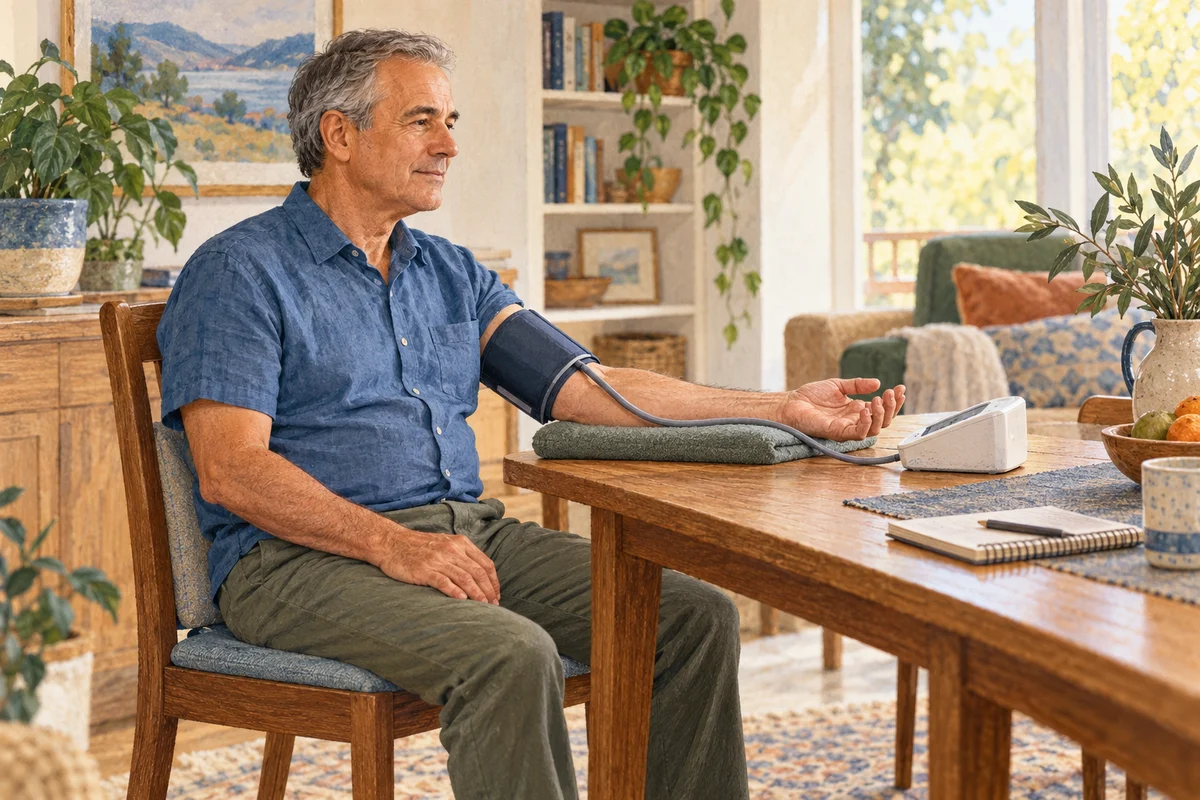
For routine measurements, or an unexpected high reading without emergency symptoms:
- Avoid exercise, smoking, and caffeine for at least 30 minutes.
- Empty your bladder and sit quietly for at least five minutes.
- Keep your back supported, legs uncrossed, and both feet flat on the floor.
- Rest your arm at heart level.
- Avoid talking during the measurement.
- Use a validated automatic upper-arm monitor with the correct cuff size, placed on bare skin rather than over clothing.
If the first reading is higher than expected, remain seated and repeat the measurement after at least one minute. Sometimes the second reading will be lower. Try to remain calm. After the repeat reading, act on the result rather than checking over and over while delaying a call for advice. However, if your systolic pressure is above 180 or your diastolic pressure is above 120, repeat the reading promptly. If it remains that high, contact a healthcare professional immediately, even if you feel well.
If you have warning symptoms such as chest pain, shortness of breath, sudden weakness, or difficulty speaking, call 911 without waiting for another reading.
What symptoms can indicate dangerously high blood pressure?
High blood pressure usually causes no noticeable symptoms. This is particularly true when it develops gradually over several years, but even a very high reading can occur in someone who feels well. Severe headache, visual changes, chest pain, breathing difficulty, confusion, or weakness can accompany a dangerous episode. These symptoms deserve attention, but they do not prove that blood pressure is the cause. They may indicate another serious illness.
Dizziness, nausea, a racing heart, sweating, or facial flushing are also nonspecific. They should not be used to estimate your blood pressure or decide whether it is safe. A modest rise from a person's usual reading does not, by itself, explain feeling unwell.
Measuring blood pressure is more reliable than trying to judge it by how you feel. Routine checks help detect a problem before symptoms occur.
For adults without diagnosed hypertension, the U.S. Preventive Services Task Force suggests annual screening from age 40 and for younger adults at increased risk. Low-risk adults ages 18–39 with a previous normal reading may be screened every three to five years. People with hypertension, abnormal readings, or new symptoms need an individualized plan rather than waiting for routine screening.
When should you seek emergency medical help?
The decision depends on both your blood pressure reading and your symptoms. If you experience severe chest pain, sudden difficulty breathing, weakness on one side of the body, speech difficulties, or other possible signs of a heart attack or stroke, call 911 immediately. Do not wait for your blood pressure to improve. These symptoms may indicate a medical emergency even when the blood pressure reading is not extremely high.
For very high blood pressure, the American Heart Association distinguishes between severe hypertension without acute symptoms and a hypertensive emergency.
| Reading, in mm Hg | What it means or what to do |
|---|---|
| Below 120 and below 80 | Normal range. |
| 120–129 and below 80 | Elevated blood pressure; discuss prevention and monitoring. |
| 130–139 or 80–89 | Stage 1 hypertension range. Repeated readings need evaluation. |
| 140 or higher or 90 or higher | Stage 2 hypertension range. Arrange medical follow-up for persistent readings; the urgent guidance below takes priority at very high levels. |
| Above 180 and/or above 120, without emergency symptoms | Repeat after at least one minute. If still this high, contact your healthcare professional immediately. |
| Very high pressure with emergency symptoms | Call 911 immediately. Do not wait for a repeat reading. |
Either number can determine the higher category: both do not have to be elevated. The American Heart Association uses “higher than 180 and/or higher than 120” for severe hypertension. A reading exactly at, or very close to, those values is not a reassuring boundary; repeat it and seek prompt advice if it persists. Emergency symptoms always take priority, whatever the reading.
Blood pressure is measured in mmHg. Diagnosis is generally based on repeated, properly taken measurements rather than a single reading. If your systolic pressure is around 140–150 and you have no concerning symptoms, it is usually appropriate to schedule an appointment with your primary care doctor. Your doctor may ask you to measure your blood pressure at home over several days.
If your upper number remains above 180 or your lower number above 120, you need prompt professional advice even without symptoms. This does not automatically mean hospitalization; a clinician should determine the urgency and treatment.
During pregnancy or in the weeks after delivery, do not wait for 180/120. An upper number of 160 or higher, or a lower number of 110 or higher, needs immediate contact with your obstetric team or emergency assessment, even if you feel well. If you cannot reach the team promptly, seek emergency care. Severe or persistent headache, vision changes, upper abdominal pain, or breathing difficulty also need urgent assessment. Call 911 for severe symptoms, a seizure, or collapse.
Can medication quickly lower blood pressure?
Some medications can lower blood pressure relatively quickly, but the correct treatment depends on the circumstances. In certain situations, a physician may prescribe a specific medication and provide instructions for what to do if blood pressure rises. However, taking an extra tablet or placing medication under the tongue without medical instructions can be dangerous. A rapid, uncontrolled drop in blood pressure may reduce blood flow to vital organs, including the brain and kidneys.
For example, lowering a systolic reading from 160 to 100 within a short period is not necessarily safe or desirable. The aim is not simply to achieve the lowest possible reading as quickly as possible. Instead, treatment should reduce blood pressure in a controlled manner appropriate to the patient's condition. If your doctor has given you an individualized action plan, follow those instructions.
Otherwise, contact a healthcare professional before taking additional medication.
I'm already being treated for high blood pressure. Why has it suddenly increased?
People who have been diagnosed with hypertension may occasionally experience a sudden and substantial rise in blood pressure. A reading above 180 systolic or 120 diastolic is considered severe hypertension. When this is accompanied by acute damage to organs such as the heart, brain, or kidneys, it is a hypertensive emergency. One common reason for a sudden increase is missed or interrupted medication. Side effects, cost, or difficulty obtaining refills can all make treatment harder to follow; tell your healthcare team if this is happening.
Some patients stop taking their blood pressure medication when they begin feeling better. Others occasionally forget doses or take their medication irregularly. Unfortunately, feeling well does not mean hypertension has disappeared. Stopping certain medications abruptly may cause blood pressure to rise sharply. A new medicine or supplement can also interfere with control, so bring a complete list to your appointment.
Other possible contributing factors include:
- Emotional stress or severe anxiety
- Pain or acute illness
- Medication interactions
- Certain over-the-counter medicines, including decongestants and pain relievers such as ibuprofen or naproxen
- Excessive alcohol consumption
- Kidney disease
- Obstructive sleep apnea
- Hormonal disorders
Even patients who follow their treatment plan carefully may occasionally experience unexpected changes in blood pressure. This is one reason regular follow-up appointments remain important.
What happens during a hypertensive emergency?
A hypertensive emergency occurs when severely elevated blood pressure is accompanied by acute injury to vital organs. Symptoms can raise suspicion, but clinicians use an examination and appropriate tests to establish whether injury is occurring. Possible warning signs include:
- Severe chest pain or pressure
- Significant shortness of breath
- Sudden severe headache, particularly with neurological symptoms
- Confusion or altered awareness
- Sudden changes in vision
- Difficulty speaking
- Weakness or numbness
- Severe back pain
Some people may also experience dizziness, nausea, or other symptoms. In older adults, sudden confusion may be particularly concerning. One serious complication is acute heart failure. When the heart cannot pump effectively, fluid may accumulate in the lungs. This is called pulmonary edema and can cause severe breathing difficulties. Another major concern is stroke. If blood flow to the brain is blocked or a blood vessel ruptures, rapid treatment is critical.
The sooner emergency medical professionals assess the patient, the greater the opportunity to provide effective treatment and reduce the risk of lasting damage.
What should you do while waiting for an ambulance?
If someone experiences chest pain, breathing difficulties, sudden speech problems, facial drooping, or weakness in an arm or leg, call 911 immediately. Do not attempt to drive yourself to the hospital. While waiting for emergency medical services:
- Stop physical activity and remain as calm as possible.
- Sit or rest in a comfortable position. If breathing is difficult, an upright position may be more comfortable.
- Follow the emergency dispatcher's instructions.
- Keep a list of your medications and recent blood pressure readings available.
- Do not take additional blood pressure medication unless instructed by a healthcare professional.
- Do not eat or drink if you have difficulty swallowing or possible stroke symptoms. Note when the symptoms began, or when the person was last known to be well.
It is particularly important not to attempt to lower blood pressure rapidly with unprescribed medication. Emergency medical teams can evaluate the situation and determine whether controlled blood pressure reduction is necessary.
What if blood pressure is high but I feel completely fine?
This situation is common. Someone may measure a systolic pressure of 160 or 170 and feel entirely normal. A lack of symptoms does not mean the reading should be ignored. If you have no emergency symptoms, rest quietly and repeat the measurement using the correct technique. Record the result. If readings remain around 160–170 systolic, contact your healthcare provider promptly to arrange assessment. Do not put off care for weeks simply because you feel well. Lower persistent elevations also need follow-up, with timing based on your readings and medical history.
If the systolic reading exceeds 180 or the diastolic exceeds 120 and stays that high on repeat measurement, contact a healthcare professional immediately. Do not try to force your blood pressure down with additional medication unless you have been specifically instructed to do so.
Should you take your regular blood pressure medication during a sudden spike?
If you have no emergency symptoms, continue your prescribed medication on its usual schedule unless your healthcare professional instructs you otherwise. In an emergency, call 911 first and follow the dispatcher’s or treating clinician’s instructions; do not delay seeking help to take a tablet. Do not take extra doses simply because your blood pressure is higher than expected. If you missed a dose, follow that medicine’s instructions or ask a pharmacist or prescriber rather than doubling up on your own.
Taking more medication than prescribed can result in excessive blood pressure reduction, dizziness, weakness, fainting, or other complications. Some blood pressure medicines may also affect kidney function and electrolyte levels when used incorrectly. The opposite approach — stopping regular medication because you feel better — can also be harmful. The safest approach is to follow your treatment plan and contact your healthcare provider when your blood pressure becomes difficult to control.
Why does blood pressure begin fluctuating after years of successful treatment?
Sometimes a medication that worked well for years no longer provides adequate blood pressure control. This does not necessarily mean your body has become resistant to the medication. Several factors may be involved. Aging, changes in body weight, kidney function, dietary habits, other health conditions, or new medications can all influence blood pressure. Your doctor may need to:
- Adjust the dose of your current medication.
- Change to a different medication.
- Add another medication.
- Review possible drug interactions.
- Evaluate kidney function and electrolyte levels.
- Investigate possible secondary causes of hypertension.
In some patients, conditions affecting the thyroid gland or adrenal glands may contribute to blood pressure fluctuations. Blood tests and other examinations can help identify these problems when clinically indicated. This is why a planned visit to your primary care doctor or cardiologist is useful, even when your blood pressure eventually returns to normal.
Can a panic attack feel like a hypertensive crisis?
Yes. A panic attack may produce symptoms that resemble those experienced during a sudden increase in blood pressure. Panic attacks can occur at any age, including in younger adults. Typical symptoms may include:
- Sudden intense fear
- Rapid heartbeat
- Sweating
- Trembling
- Dizziness
- Shortness of breath
- Chest discomfort
- A feeling that something terrible is about to happen
Blood pressure may temporarily rise during a panic attack because of the body's stress response. However, there is an important distinction: similar symptoms can also occur during serious medical conditions. A person should not automatically assume that chest pain, severe dizziness, or breathing difficulties are caused by anxiety. Panic attacks and hypertensive emergencies cannot always be reliably distinguished by symptoms alone.
If symptoms are severe, unusual, or suggest a heart attack or stroke, seek emergency medical care. Once serious medical causes have been excluded, a healthcare professional can help address anxiety or panic symptoms appropriately.
The most important thing is not to ignore your blood pressure
A single elevated reading does not necessarily mean you have developed hypertension. Stress, physical activity, and emotional reactions can temporarily affect blood pressure. However, persistently elevated readings should never be ignored, even when you feel perfectly healthy. Regular monitoring, appropriate medication, and follow-up visits can help prevent serious complications. And if your blood pressure suddenly becomes extremely high, remember that the symptoms accompanying the reading are just as important as the number itself.
Take your blood pressure seriously, but don't panic. Know when to monitor it, when to contact your doctor, and when to call 911.
Based on material by cardiologist Dr. Ralfs Zuzāns. Edited and adapted for U.S. readers by VitalMeGuide. Guidance checked October 27, 2026. Review of this adapted version by the original author has not been documented.
Read the sources
- American Heart Association. When To Call 911 About High Blood Pressure. Reviewed August 14, 2025.
- American Heart Association. Home Blood Pressure Monitoring. Reviewed August 14, 2025.
- American Heart Association / American College of Cardiology. 2025 High Blood Pressure Guideline: Top Things to Know.
- Jones DW, et al. 2025 AHA/ACC multisociety guideline for the prevention, detection, evaluation, and management of high blood pressure in adults. Circulation.
- Centers for Disease Control and Prevention. About High Blood Pressure.
- American Stroke Association. Stroke Symptoms and Warning Signs.
- U.S. Preventive Services Task Force. Hypertension in Adults: Screening. April 27, 2021.
- American Heart Association. Managing High Blood Pressure Medications.
- American Heart Association. Preeclampsia, High Blood Pressure and Maternal Health. March 20, 2026.
- Centers for Disease Control and Prevention. High Blood Pressure During Pregnancy. Updated October 13, 2026.
- National Institute of Mental Health. Panic Disorder: What You Need to Know.
This article explains selected evidence. It is not a systematic review or individual medical advice.