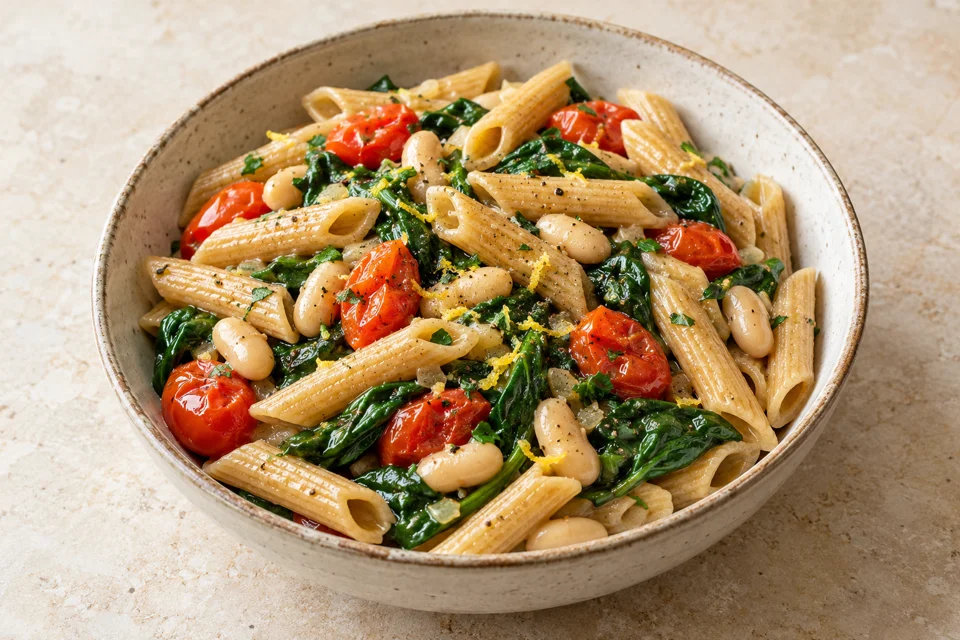
When we think about high blood sugar, cakes, candy and other sweets usually come to mind. But an ordinary meal can also cause a substantial rise in blood glucose.
White bread, a large serving of pasta and even a seemingly healthy fruit juice all provide carbohydrates that can affect blood sugar. The size and speed of the response are not the same for every food or every person.
Does that mean you should give them up? Not necessarily. Understanding what happens after eating can help you make simple, practical changes to your meals.
Why do we need blood sugar at all?
Glucose, often called blood sugar, is a normal and necessary part of the body’s energy supply. It fuels the brain, muscles and many other tissues.
During digestion, digestible carbohydrates are broken down into simpler sugars. Glucose is absorbed into the bloodstream, and its level rises. Insulin, a hormone produced by the pancreas, plays an important part in managing this process.
Insulin helps muscle and fat cells take up glucose to use for energy or store for later. It also helps regulate how much glucose the liver releases. The familiar comparison with a key opening a door is useful, although not every cell needs insulin to take up glucose.
In someone with normal glucose regulation, blood sugar rises after a meal and usually returns towards its usual range. The concern is persistently high glucose or difficulty regulating it, rather than every normal rise after eating.
Why does persistently high blood sugar matter?
Over time, high glucose can damage blood vessels and nerves. Diabetes can increase the risk of serious complications, including:
- Heart and blood vessel disease, including heart attack and stroke.
- Kidney damage and declining kidney function.
- Vision problems caused by damage to blood vessels in the retina.
- Nerve damage, particularly in the feet and legs.
- Poor wound healing and foot ulcers, which in severe cases can lead to amputation.
These are potential long-term complications, not consequences of one serving of bread or pasta. Blood pressure, cholesterol and other factors also matter.
High glucose, particularly in early type 2 diabetes, may not cause obvious symptoms. Feeling well does not always mean glucose regulation is normal.
What is a normal fasting blood glucose level?
A fasting test is usually taken after at least eight hours without food or calorie-containing drinks. The American Diabetes Association uses the following categories for laboratory-measured fasting venous plasma glucose in non-pregnant people:
| Fasting glucose (mmol/L) | Fasting glucose (mg/dL) | ADA category |
|---|---|---|
| Below 5.6 | Below 100 | Below the prediabetes threshold* |
| 5.6–6.9 | 100–125 | Prediabetes range |
| 7.0 or higher | 126 or higher | Diabetes range; confirmation usually required |
*Lower is not always better: an unusually low result also needs interpretation. These categories classify elevated fasting glucose; they are not personal treatment targets or thresholds for readings taken after meals. Pregnancy uses different criteria.
Unless high glucose is unequivocal, diagnosis requires confirmation with a repeat or another appropriate test. A home glucose meter or continuous glucose monitor alone does not establish the diagnosis.
HbA1c is another commonly used test. It reflects average blood glucose over roughly the preceding two to three months.
The ADA recommends screening from age 35 for other adults, and earlier for people with relevant risk factors. The appropriate test and repeat-testing interval depend on the individual.
1. White bread and refined-flour foods
White bread, baguettes, white rolls and many pastries contain refined carbohydrates. Processing removes much of the grain’s bran and germ, reducing its fibre and some other nutrients.
The starch in many of these foods can be digested quickly, leading to a relatively rapid glucose rise. However, portion size and the rest of the meal still matter.
A practical choice: choose 100% wholegrain bread more often, and include vegetables or a source of protein. A slice of wholegrain bread with an egg and vegetables offers a more balanced meal than several slices of white bread on their own.
Wholegrain bread still contains carbohydrate, and its effect varies with the product’s texture and ingredients. It is a way to improve dietary quality, not a guarantee of a flat glucose response.
2. Pasta: the portion matters as much as the product
Pasta is convenient, versatile and easy to prepare. A large serving can also contain a substantial amount of carbohydrate. What matters is how much you eat, the type of pasta and what accompanies it.
Pasta does not necessarily produce the same rapid response as white bread. Its structure can slow starch digestion. In controlled trials in healthy adults, pasta produced lower glucose responses than bread or couscous made from the same durum wheat flour when the available carbohydrate amounts were matched. Preparation can also influence the response.
A practical choice: try wholegrain pasta or pasta made from lentils or other pulses. Depending on the product, these can provide more fibre and sometimes more protein. Check the label, as formulations differ.
Add vegetables and a protein source such as fish, chicken or tofu to build a more balanced meal. You may not need to give up a favourite dish: a smaller pasta portion with more vegetables can be a useful adjustment.
3. Sweet drinks: sugar that is easy to overlook
Sugar-sweetened soft drinks, energy drinks and sweetened teas can supply a considerable amount of sugar. Fruit juice also contains sugars, even when none have been added.
Unlike whole fruit, these drinks usually contain little or no fibre. They are also easy to consume quickly, delivering a substantial carbohydrate portion in a short time.
Fruit juice can be confusing because it has a healthy reputation. A glass of 100% orange juice can provide nutrients, but it is not nutritionally equivalent to eating a whole orange: it generally contains much less fibre and is easier to consume in larger quantities.
A practical choice: make water, unsweetened sparkling water or unsweetened tea your usual drink. Lemon, mint, cucumber slices or a few berries can add flavour to water.
A simple way to build a balanced plate
You do not need to eliminate carbohydrates to look after blood glucose. Food quality, portions and the overall meal are more useful starting points than a long list of forbidden foods.
The ADA Diabetes Plate offers a simple visual guide, using a plate about nine inches across:
- Half: non-starchy vegetables, such as leafy greens, broccoli, peppers or courgette.
- One quarter: a protein source, such as fish, chicken, eggs or tofu.
- One quarter: carbohydrate foods, such as whole grains, pasta, potatoes, beans or lentils.
Beans and lentils provide both carbohydrate and protein. The plate is a flexible guide rather than a precise prescription.
Individual needs differ, especially for people taking insulin or other glucose-lowering medicines. Significant changes to carbohydrate intake may need to be coordinated with the diabetes care team.
Why can the same food affect people differently?
Two people can have different glucose responses to the same meal. Portion size, other foods eaten with it, physical activity, insulin sensitivity, medication and individual metabolism all influence the result.
How someone feels after eating does not reliably reveal their blood glucose level. Feeling comfortable after pasta is not a glucose measurement, just as tiredness alone does not diagnose high blood sugar.
It is therefore misleading to claim that a particular everyday food raises everyone’s blood sugar more than cake. The recipe, portion and person all matter.
A temporary glucose rise after a meal is normal physiology. The important questions concern the body’s ability to regulate glucose and the pattern over time.
What to remember
Looking after blood sugar does not require abandoning bread, pasta or all carbohydrates. Start by noticing three everyday habits: frequent refined-flour foods, oversized carbohydrate portions and sugary drinks.
Choose whole grains more often, include more vegetables, add appropriate protein sources and make water your usual drink. Small changes can help build a balanced and sustainable eating pattern.
Healthy eating is about how you put everyday meals together, as well as what you choose to limit.
Read the sources
- American Diabetes Association · Diagnosis and Classification of Diabetes: Standards of Care in Diabetes—2026
- American Diabetes Association · Facilitating Positive Health Behaviors and Well-being to Improve Health Outcomes: Standards of Care in Diabetes—2026
- NIDDK · What Is Diabetes?
- American Diabetes Association · Get to Know Carbs
- American Diabetes Association · Eating Well & Managing Diabetes
- American Diabetes Association · What Is the Diabetes Plate?
- Vanhatalo et al. · Pasta Structure Affects Mastication, Bolus Properties, and Postprandial Glucose and Insulin Metabolism in Healthy Adults · Journal of Nutrition, 2022
This article explains selected evidence. It is not a systematic review or individual medical advice.