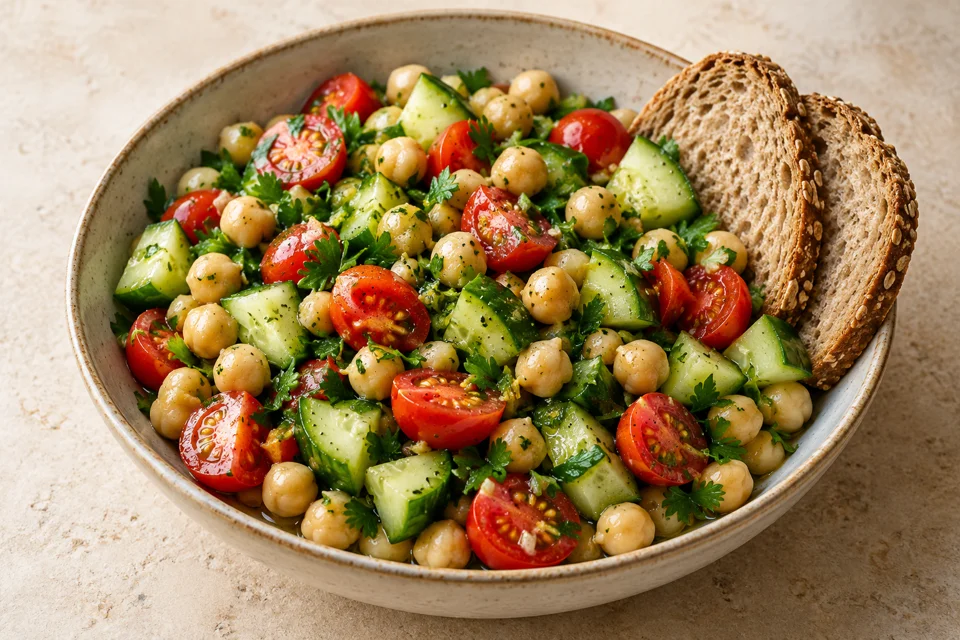
Can you get enough iron without eating meat? A well-planned vegetarian diet can provide this important mineral, but both your food choices and the way you combine them matter.
Iron is needed to make hemoglobin, the protein that helps carry oxygen to your body’s tissues. When iron stores become depleted, iron deficiency anemia can eventually develop. But iron deficiency and anemia are not the same thing: your iron stores can be low even while your hemoglobin level remains within the normal range.
Why is iron from plants absorbed differently?
Food contains two forms of iron: heme and nonheme iron.
Heme iron is found in meat, fish and seafood, and your body generally absorbs it more readily. Nonheme iron is found in plant foods and iron-fortified foods. Its absorption is more strongly affected by what else you eat at the same meal.
Vegetarians tend to have lower iron stores than people who eat meat. However, this does not mean that switching to a vegetarian diet inevitably leads to anemia.
The goal is to regularly eat a variety of iron-containing foods and help your body absorb the iron they provide.
Which foods can help you get enough iron?
Legumes such as lentils, chickpeas and beans are useful everyday choices. Add them to soups, stews and salads, or use them to make spreads and dips.
Tofu, whole grains, nuts and seeds also contribute iron. Dried apricots and other dried fruits can add variety. Iron-fortified breakfast cereals and other fortified foods are another option; check the Nutrition Facts label for the amount in a serving.
What matters is the iron in the portion you actually eat, not just a figure listed per 100 grams. For example, you might measure cooked lentils by the half-cup or seeds by the ounce. Iron itself is measured in milligrams (mg). When comparing foods, check both the serving size and the iron content.
Dry and cooked food weights are not directly interchangeable. Grains and legumes absorb water during cooking, so their nutrient content per 100 grams changes. A large number for a dried powder does not necessarily mean that a small serving provides much iron.
How can you improve iron absorption?
One simple step is to pair iron-containing foods with a source of vitamin C. Add fresh bell pepper to lentil salad, serve broccoli with a bean dish, or enjoy kiwi or berries alongside whole grains at breakfast.
Coffee and tea consumed with meals can reduce nonheme iron absorption. Especially if your iron stores are already low, consider having these drinks between meals instead.
Legumes and grains also contain phytates, compounds that can reduce iron absorption. Soaking, sprouting and fermentation can lower their phytate content. This is not a reason to avoid beans or whole grains: they remain valuable parts of a varied diet.
Calcium can also affect iron absorption, but this does not mean you need to eliminate dairy foods. If you take separate calcium and iron supplements, ask your doctor or pharmacist about the best times to take them.
When are dietary changes not enough?
Persistent fatigue, paler skin, shortness of breath during your usual activities, heart palpitations or increased hair shedding can be associated with iron deficiency. These symptoms can have other causes, too, so symptoms alone cannot establish a diagnosis.
If you suspect a deficiency, see your primary care doctor. Assessment commonly includes a complete blood count (CBC) and ferritin, a marker that helps assess iron stores. Ferritin can rise during inflammation, so your doctor needs to interpret it alongside your health history and, when appropriate, other blood tests.
Do not automatically attribute low iron to a vegetarian diet. Heavy menstrual periods, other blood loss or problems absorbing iron can also be responsible.
If a deficiency is confirmed, your doctor may recommend an iron supplement and follow-up blood tests. The product, dose and length of treatment depend on your individual situation.
What about spirulina?
Spirulina contains iron, but that alone does not mean it provides enough to correct a deficiency. Consider the composition of the specific product and the amount you actually take.
Spirulina should not replace treatment prescribed for iron deficiency. It is also not an essential part of a balanced vegetarian diet.
A vegetarian diet and adequate iron stores can go together. A variety of iron sources and thoughtful food combinations can help you meet your needs. If you feel persistently unwell or tests show a deficiency, the next step is to identify the cause and choose appropriate treatment.
Based on Latvian material prepared by Dace Mārkalne and supplied by Rimants Pocjus. English translation and editorial clarifications by VitalMeGuide with AI assistance. Clarifications address iron deficiency versus anemia, absorption, serving sizes and the role of spirulina. This edited English version has not been confirmed as reviewed by the original author.
Read the sources
- NIH Office of Dietary Supplements · Iron: Fact Sheet for Health Professionals
- NHS · The vegetarian diet
- University Hospitals Coventry and Warwickshire NHS Trust · Dietary advice for iron deficiency anaemia
- NHS · Iron deficiency anaemia
- British Society of Gastroenterology · Guidelines for the management of iron deficiency anaemia in adults
- ANSES · Opinion on the risks associated with the consumption of food supplements containing spirulina
This article explains selected evidence. It is not a systematic review or individual medical advice.